

Speaking Up
A Sermon at the Ordination of Deacons

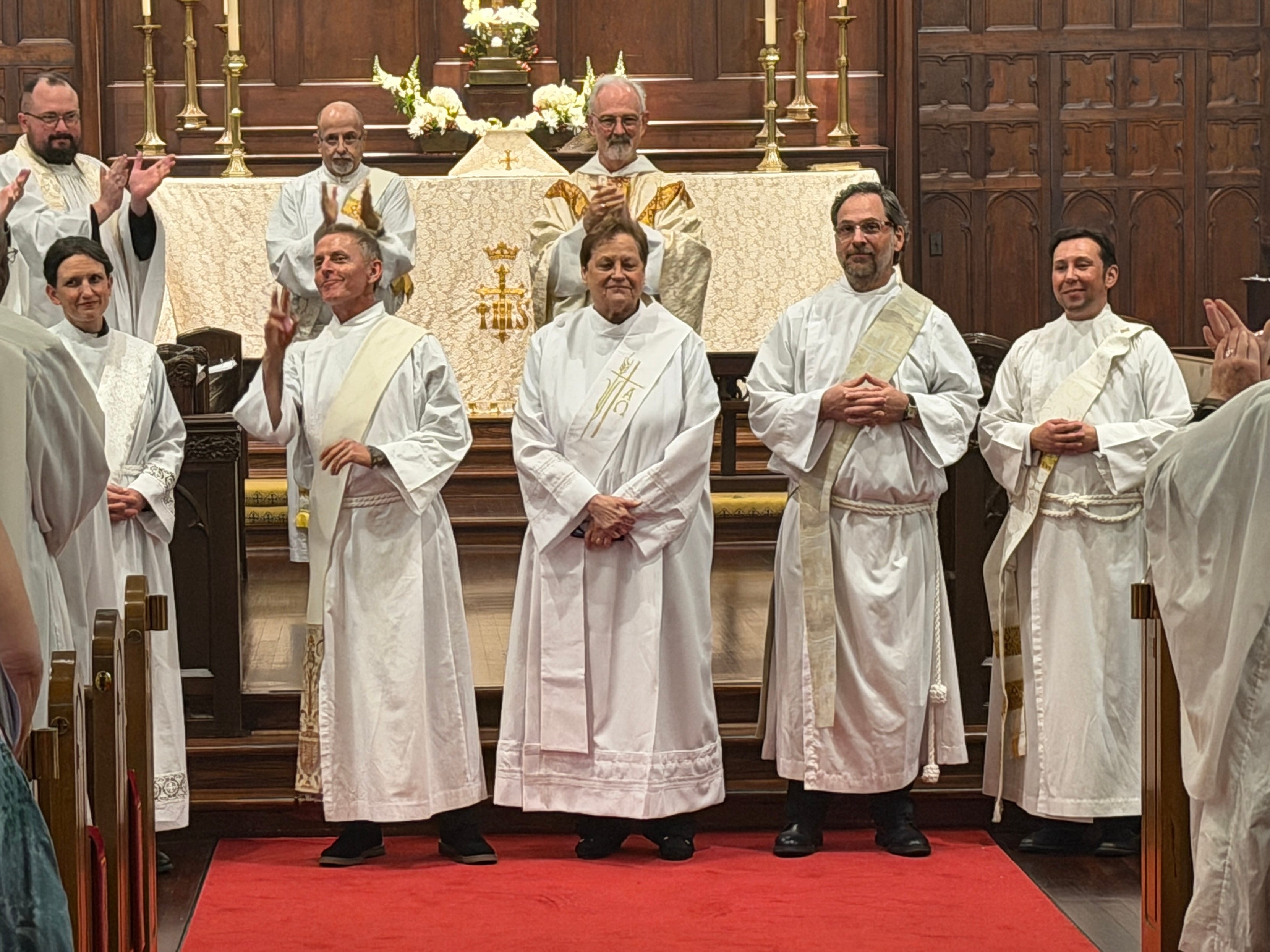
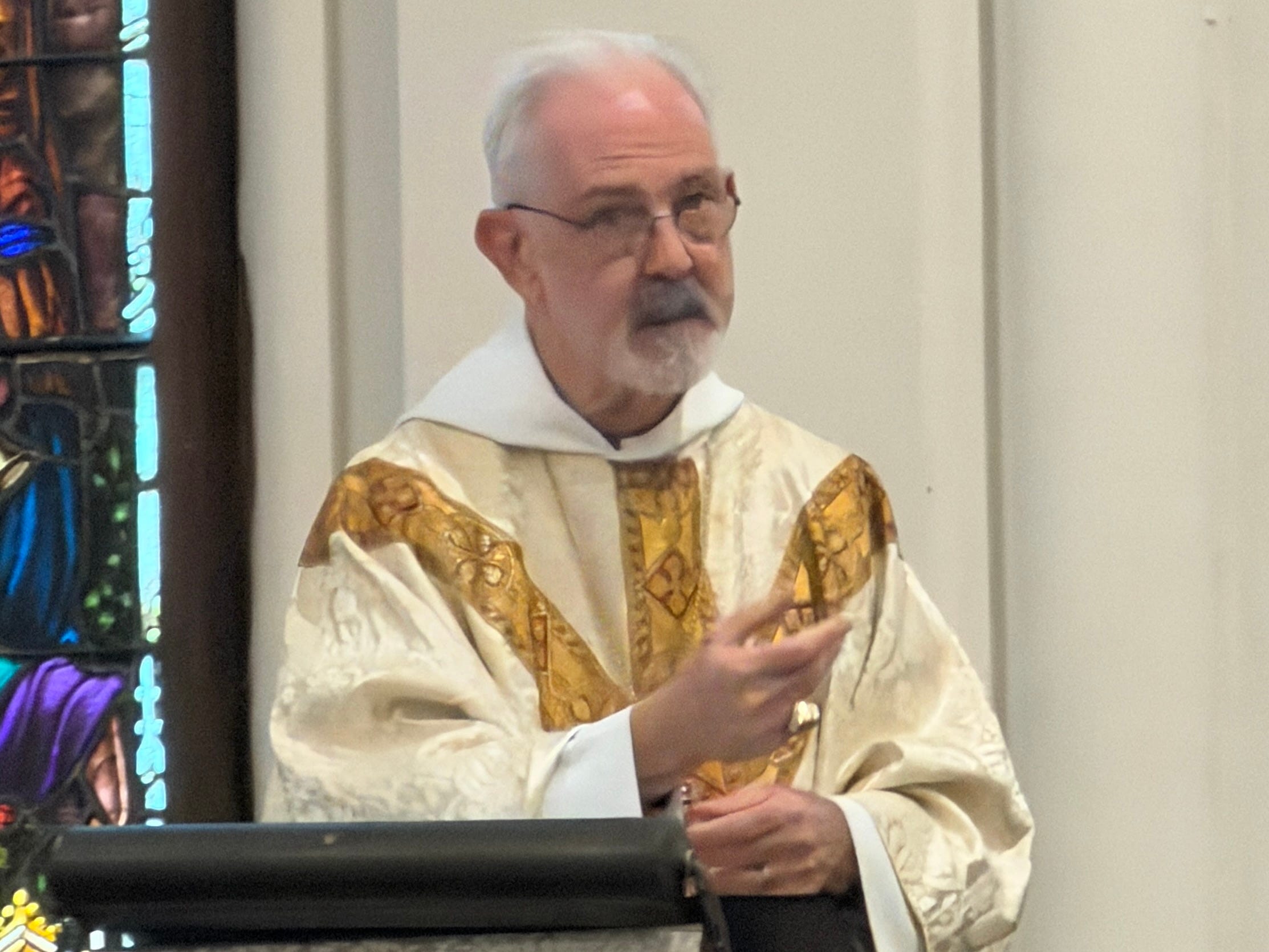
Hey everybody! This is an extra edition of The Woodlands. Last Saturday I preached at the ordination of new deacons in my diocese. I did not record the live event, but here’s a slightly revised transcript along with audio produced later.
So, here’s Speaking Up
Some of you know that I struggled with a speech defect for the first two decades of my life.
Born without a soft palate, I spoke with an unpleasantly nasal tone and could not pronounce the letter s.
My voice is what it is today thanks to a long, complex surgery.
As a boy, my chest would tighten, my mouth would go dry, and my stomach would churn whenever a situation called for me to speak up in front of other people.
Experience had taught me that using my voice was likely to result in ridicule, rejection, and bullying. I was afraid, and so I had to make an intentional effort to speak up. I had to be brave.
You don’t have to have a speech impediment to find it hard to speak up. Jeremiah, of all people, initially tried to wriggle out of God’s call to be a prophet: “Ah, Lord GOD! Truly I do not know how to speak, for I am only a boy.”
God didn’t fall for it: “Enough with the I’m-only-a-boy stuff. I’ve put my words in your mouth. Be brave. Speak up!”
And speak up he did.
Knowing the risks, Jeremiah confronted the powerful for exploiting the poor and neglecting the needy. He was certainly no coward. And yet, I wonder if he was often more brash than brave.
I say that for a couple of reasons.
First, courage is not the opposite of cowardice. It’s the golden mean between cowardice and brashness. Between too little and too much. Between timid silence and self-righteous scolding.
Second, consider the results. They’re what you might expect from brashness.
God sent Jeremiah to urge Judah to reclaim God’s vision as their own: to be a community governed by the law of love. That was the mission.
To accomplish that mission, Jeremiah mostly ranted about Judah’s wickedness. He might have painted a winsome picture of a love-shaped world to stir his listener’s desire for something better.
Be brave. Be loving. Speak up.
But that wasn’t the style he chose to use. So, people felt accused, not invited. That’s probably why he got tossed into a well.
Look, he wasn’t wrong about Judah’s injustice. And he is right about our injustice for that matter.
But remember the mission: to urge people to reclaim God’s vision as their own. For that mission to succeed, hearts have to be transformed.
Criticism didn’t turn hearts. Judah continued crushing the poor and the marginalized until the Babylonians destroyed Jerusalem and carried many of her inhabitants into exile.
Hearts aren’t generally transformed by accusation. Vision transforms hearts. A vision of the good life stirs our hearts and draws us toward it.
That is what Jesus brings. He announces that the Kingdom of Heaven has drawn near. In the flesh. The very life that we have longed for all along has come to dwell among us.
Instead of wagging his finger at us, Jesus invites us to join him in the full-hearted life we desire.
Yes, Jesus urges repentance. But here’s how he that works. Jesus first shows us a different kind of life. A life animated by love and rich with meaning. And he invites us to join him in it.
That vision allows us to recognize that a life motivated by self-fulfillment and driven by the will to power is actually killing us. With God’s help, we can finally let it go.
To follow Jesus is to proclaim the Gospel not only with our lips but with our lives in a world that sorely needs it. St. Francis famously told his friars to preach the Gospel and use words if necessary.
Giving voice to the Gospel can be pretty scary. There are powers in this world—even some who call themselves Christian—who will respond with contempt, malice and even violence.
Each baptized person has vowed to speak up anyway. To preach the Gospel with their lives. To walk the way of care, justice, peace, and truth-telling.
Deacons are forever shaped by the baptismal covenant. And they make additional vows that will define their role in the Body to which we all belong.
Deacons promise to be especially attuned to the needs of this wounded world. Not merely so that they can act as designated individuals on our behalf, leaving us to be admiring spectators.
Instead, Jesus calls them to organize the rest of us to serve the poor, the weak, the sick, and the lonely together.
In other words, deacons are the servant leaders of servants. They help the Body to speak up, to proclaim the Gospel in action. Together, our life should give the world a glimpse of the Kingdom of Heaven.
Some who are ordained deacons eventually will take priestly vows. Let’s defer that discussion until an appropriate time.
For now, let’s look more closely at how to speak up faithfully and effectively.
Speaking up is more than expressing our outrage at the world’s injustice. That can feel awfully good, but it rarely changes hearts. More often, people feel dismissed or condemned, so they stop listening.
The purpose of speaking up is not to shame people or display our own righteousness. It is to bear witness to the Truth.
Jesus transformed lives not by condemning the world, but by embodying a better way. And he commissions us to do the same.
To give the world a glimpse of the full-hearted life shaped by the Kingdom of Heaven. A way of living shaped not by domination or self-interest, but by love.
And that requires more than passionate conviction. It requires humility, perseverance, courage, grace, and wisdom.
And now, I urge you all: Be brave. Be loving. Speak up. Use words if necessary.
That’s it for now, friends. I promise not to overload your inbox with extras like this. Watch for the usual Friday post: Learning the Habit of Attention.
Until then, be well and God bless.
Jake
My favorite line:
“Jesus transformed lives not by condemning the world, but by embodying a better way. And he commissions us to do the same.”
Amen!
Ah, my friend...this one hit the breadbasket. I know my tendencies when provoked and wanting justice. And those tendencies are to point out the wrongs that should be righted. But yes, there is a better way to do those things. Sometimes, it seems that the softer, kinder way is simply ridiculed and mocked by those in power. But then again, perhaps their hearts are so hardened that no words matter at all. It's hard to know what will have an impact and inspire a re-thinking from those who enjoy committing injustice and inflicting pain. However, by and large, when dealing with everyday people, I do believe the kinder way is better.